
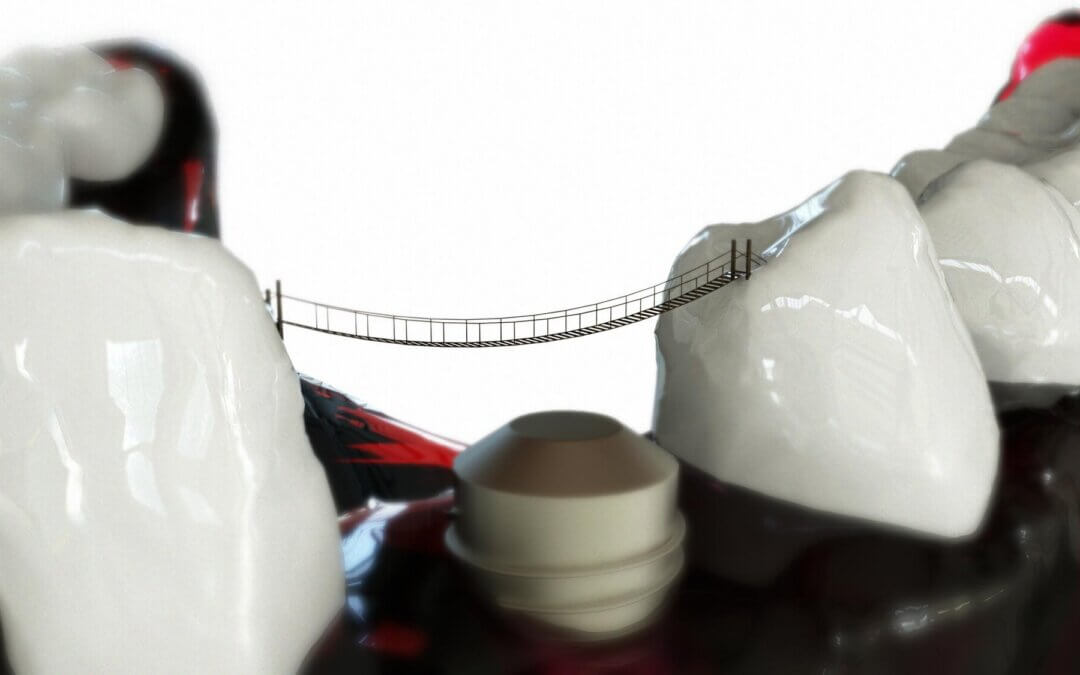
A common question many patients ask is, ‘Do dental implants hurt?’ Most people feel little to no pain during the procedure because the treatment area is fully numbed. You may feel pressure or vibration, and mild soreness or swelling can last a few days to a week during recovery.
A report by the American Academy of Implant Dentistry posted by the Harvard School of Dental Medicine reveals that around 3 million U.S. citizens have dental implants, with this figure increasing by roughly 500,000 each year. The steady growth reflects how widely trusted the procedure has become.
Many patients discover the experience is far more comfortable than they expected. Understanding what happens during the procedure and recovery can help you approach treatment with greater confidence.
Do Dental Implants Hurt During the Procedure?
If you are worried about pain during the dental implant procedure, it helps to know that anesthesia makes the area fully numb. You might feel slight pressure or movement, but this is completely different from pain.
Key factors that contribute to a more comfortable experience include:
- Short procedure duration
- Precise surgical instruments
- Sedation or local anesthesia
- Gentle tissue handling
These measures ensure the procedure is manageable and less intimidating than most imagine. Understanding these aspects helps you approach the surgery calmly and focus on the long-term benefits.
Are Dental Implants Painful After the Surgery?
After your implant is placed, mild soreness and swelling are a normal part of the body’s healing process. As your tissues adjust, you may notice:
- Tender gums
- Swelling at the implant site
- Minor bruising
- Jaw stiffness
These symptoms are generally mild and improve within a few days with proper care. Resting, eating soft foods, and following your dentist’s instructions can significantly reduce discomfort. Most patients can resume normal daily activities comfortably within a short period.
How Long Does Dental Implant Pain Last?
It is natural to wonder how long the discomfort will last. Most patients experience peak tenderness in the first two days, which then gradually diminishes.
Soft tissue usually heals in about two weeks, while bone integration continues over several months. You can track your recovery with these milestones:
- Days 1 to 3: Peak tenderness and swelling
- Days 4 to 7: Gradual improvement
- Around 2 weeks: Soft tissue healing
- 3 to 6 months: Bone integration
These milestones give you a clear picture of what to expect during recovery. Following proper aftercare helps you manage daily activities safely and reduces the risk of complications.
What Happens During a Dental Implant Procedure
The process starts with your dentist evaluating your jawbone and gums with imaging. This careful planning ensures the procedure goes smoothly and supports a smooth dental implant recovery. Dental implant procedure typically includes:
- Implant placed in the jawbone
- Bone allowed to heal and integrate
- Abutment attached to the implant
- Crown placed on top
Each stage minimizes trauma and protects surrounding tissue. Following these steps carefully promotes faster healing and reduces the chance of complications. It also helps you feel prepared and in control during recovery.
Tips for Dental Implant Pain Management
You can make your recovery more comfortable by following your dentist’s guidance. Simple strategies at home can further reduce inflammation and protect healing tissue. To stay comfortable during recovery, consider:
- Taking pain relievers as prescribed
- Applying ice packs for swelling
- Eating soft foods
- Resting and reducing activity
These strategies help your tissues heal faster. Rest, medication, and gentle care make daily activities easier while you recover.
Long-Term Benefits That Make Implants Worth It
Temporary discomfort is minor compared to the lasting rewards of dental implant benefits. Simple, long-term results restore function, appearance, and support overall oral health. Some advantages you gain include:
- Permanent tooth replacement
- Full chewing and speaking ability
- Jawbone preservation
- Natural-looking smile
- High patient satisfaction
Focusing on these benefits can help you stay motivated during recovery. The brief soreness is a small trade-off for decades of improved function and confidence.
How the Right Dentist Impacts Your Implant Experience
Choosing the right dentist can make a big difference in your procedure and recovery. A qualified dentist impacts your implant journey through:
- Accurate evaluation
- Precise implant placement
- Guidance on dental implant recovery
- Pain management strategies
- Long-term follow-up
Working with an experienced dentist helps you feel confident throughout the process. Their guidance supports smoother healing and ensures your implants function properly for years. At Perry Dental & TMJ Center, our team provides personalized care to make your implant experience comfortable and successful.
Frequently Asked Questions (FAQs)
Can Dental Implants Fail?
Implant failure is rare but possible if the bone does not integrate properly. Smoking, uncontrolled diabetes, or poor oral hygiene can increase the risk.
Early detection of issues allows your dentist to take corrective steps. Following post-op care reduces complications and protects your investment.
Can I Get Implants If I Have Bone Loss?
Bone loss does not automatically disqualify you from implants. Procedures like bone grafting or sinus lifts can rebuild jawbone support.
Your dentist evaluates bone density before planning your treatment. These options increase your chances for long-term success.
What Should I Expect During Follow-Up Visits?
Follow-ups check implant stability, gum health, and crown fit. Your dentist may take X-rays to ensure proper integration.
Adjustments are made if minor alignment or bite issues occur. Regular monitoring supports long-term success and comfort.
How Much Do Dental Implants Cost?
The cost of dental implants depends on the number of implants and any additional treatments needed. Single implants with crowns are usually less expensive than multiple implants or bridges.
Preparatory procedures like bone grafts can increase the total cost. Financing and insurance options can help make treatment more affordable.
Do Dental Implants Hurt? Improve Your Oral Health Confidently
Do dental implants hurt? Most discomfort is brief and manageable, while the long-term benefits are significant. The right dentist ensures smoother recovery and lasting results for your smile.
Experience personalized dental care at Perry Dental & TMJ Center in Woodbridge, NJ, offering expert general dentistry, TMJ treatment, dental implants, orthodontics, crowns, and root canals. Led by Dr. Christopher Perry, with decades of experience in patient-focused care, our team combines advanced techniques with a gentle approach.
Every visit is tailored to your comfort, ensuring lasting results for your oral health and smile. Contact us today for your smile transformation.